

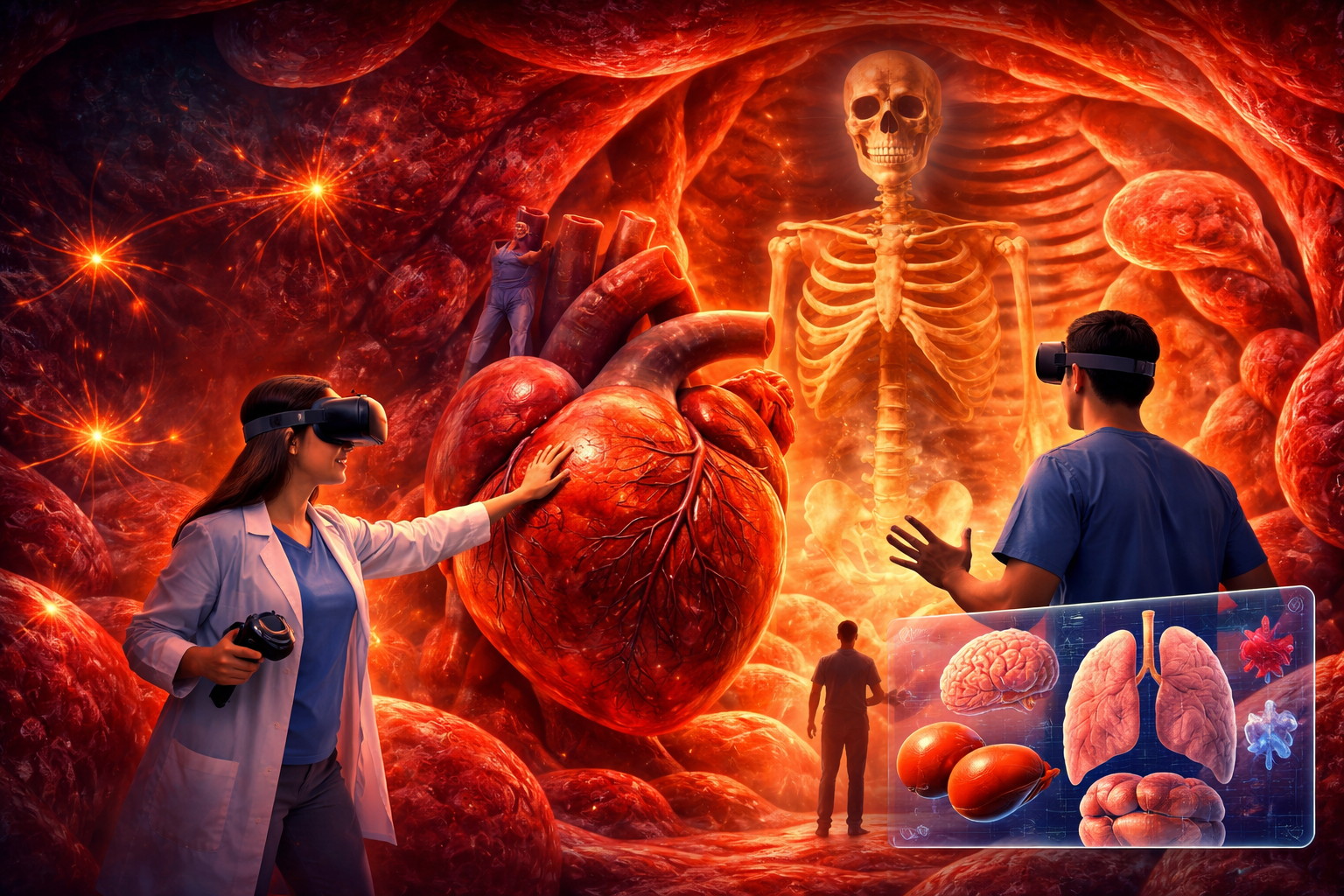
India has invested crores of rupees in classroom technology over the past decade. Smart boards have been installed. Computer labs have been set up. Tablets have been distributed. VR headsets are arriving. LMS platforms have been licensed.
And yet, in a disturbing number of schools, this technology sits unused. Smart boards serve as expensive projection screens. Computer labs are locked except during the weekly "computer class." Tablets collect dust in storage rooms. The LMS has 12 registered users out of a teaching staff of 45.
The reason is not technological failure. The hardware works. The software works. What does not work is the human interface: teacher digital literacy.
The State of Teacher Digital Literacy in India
Let us be honest about the current situation without being disrespectful to the teaching profession.
The Annual Status of Education Report (ASER) and various studies by TISS (Tata Institute of Social Sciences) have documented significant gaps in teacher comfort with technology. These gaps are especially pronounced in rural areas, among older teachers, and in government school systems.
Many teachers were trained in an era before digital tools existed. Their teacher training programmes did not include technology pedagogy. Their continuing professional development has not prioritised digital skills. And the technology deployed in their schools often arrived without adequate training or ongoing support.
This is not a failure of teachers. It is a systemic failure of the institutions that train, support, and equip them.
What "Digital Literacy" Means for Teachers
When we say "teacher digital literacy," we do not mean coding or web development. We mean the practical skills needed to use educational technology as a teaching tool.
This includes operating an LMS — logging in, navigating the dashboard, assigning content to students, viewing progress reports, and creating assessments. It includes using a VR lab — starting a session, selecting content, casting to a display, guiding students through an experiment, and reviewing post-session analytics. It includes interpreting data — understanding what a student progress report is telling you and using that information to adjust your teaching. It includes basic digital content creation — uploading resources, annotating documents, creating simple assessments using platform tools. And it includes troubleshooting — knowing what to do when a headset will not connect, a video will not play, or a quiz will not load. Not fixing the problem necessarily, but diagnosing it well enough to seek appropriate help.
These are not advanced technical skills. They are basic operational competencies. But they require training, practice, and support.
Why Teacher Training Fails
Most technology deployments include some form of teacher training. So why does it so often fail to produce lasting results?
One-time training events are insufficient. A 3-hour workshop on a Saturday afternoon does not build lasting competence. Skills need to be practised, reinforced, and supported over weeks and months. Training without follow-up support means that when a teacher encounters a problem the following week and has nobody to ask for help, they revert to the blackboard. Training that does not address teacher anxiety fails because many teachers are genuinely anxious about technology — they fear looking incompetent in front of students, breaking expensive equipment, or being unable to recover from a mistake. Training must acknowledge and address this anxiety directly. Training without incentives fails to motivate adoption. If there is no recognition, no career benefit, and no accountability for using (or not using) the technology, human nature favours the familiar path.
Abhigyaan's Approach to Teacher Training
Abhigyaan's teacher training programme is designed around the principle that training is not an event — it is a process.
The initial training is a 2-day, hands-on programme conducted at the school with the actual equipment teachers will use. Teachers wear the VR headsets. They navigate the LMS. They run mock sessions. They make mistakes in a safe environment. The focus is on building confidence, not just competence.
The Teacher Session mode is designed for teachers who are not tech-savvy. It provides a simplified, guided interface where the teacher can start a VR session, cast to the TV, and guide students — all with minimal technical complexity. Ongoing support includes an accessible helpdesk, troubleshooting guides, and periodic check-in calls.
The champion teacher model identifies one or two tech-enthusiastic teachers at each school who receive advanced training and serve as first-line support for their colleagues. This peer-support model is dramatically more effective than centralised helpdesks because the champion teacher is physically present, speaks the same language (literally and figuratively), and understands the local context.
What Needs to Change at the System Level
Teacher digital literacy cannot be solved one school at a time. It requires systemic change.
Pre-service teacher training (B.Ed. programmes) must include educational technology as a core module, not an elective. Teachers entering the profession in 2026 should be as comfortable with an LMS as they are with a lesson plan. In-service professional development must prioritise technology skills alongside pedagogical skills. Government training programmes (like DIET-led workshops) need to move beyond PowerPoint familiarity to practical competence with LMS platforms, VR labs, and data analytics. EdTech companies must take responsibility for training, not just selling. A platform that is sold without adequate teacher training is a platform that will not be used. Training must be built into the deployment model, not offered as an optional add-on. School leadership must model technology use. When the principal uses the LMS dashboard to review school-wide performance data, teachers understand that the technology is taken seriously.
The EdTech revolution in India will not be won by better hardware or smarter software. It will be won by empowered, confident, digitally literate teachers who can wield these tools to transform their classrooms. Every rupee spent on technology without corresponding investment in teacher capability is a rupee wasted.